Abstract Expression & Emotional Landscapes
Discovering how gesture, color, and spontaneity capture the raw emotion of Atlantic coastal light and movement
Where Technique Meets Intuition
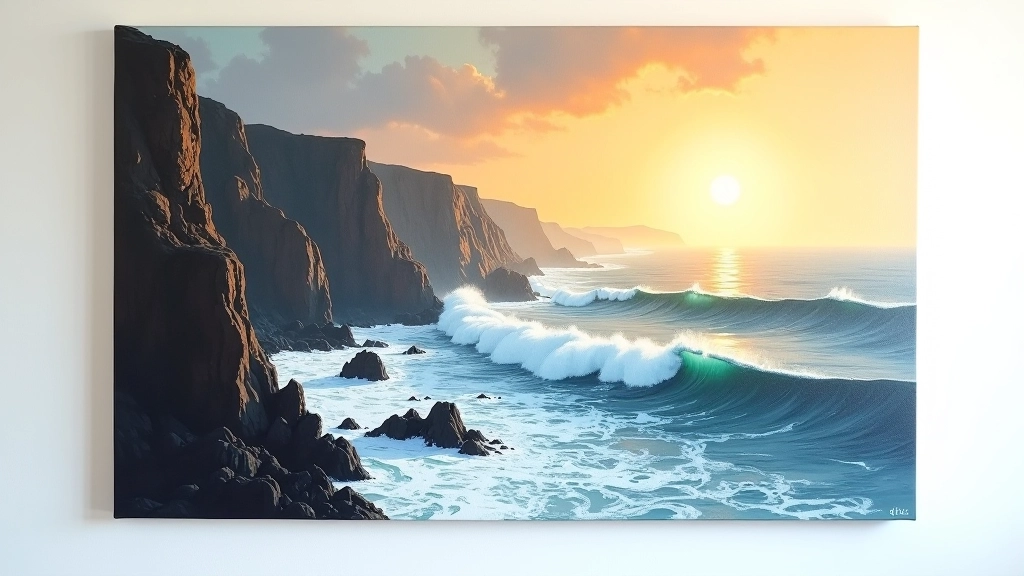
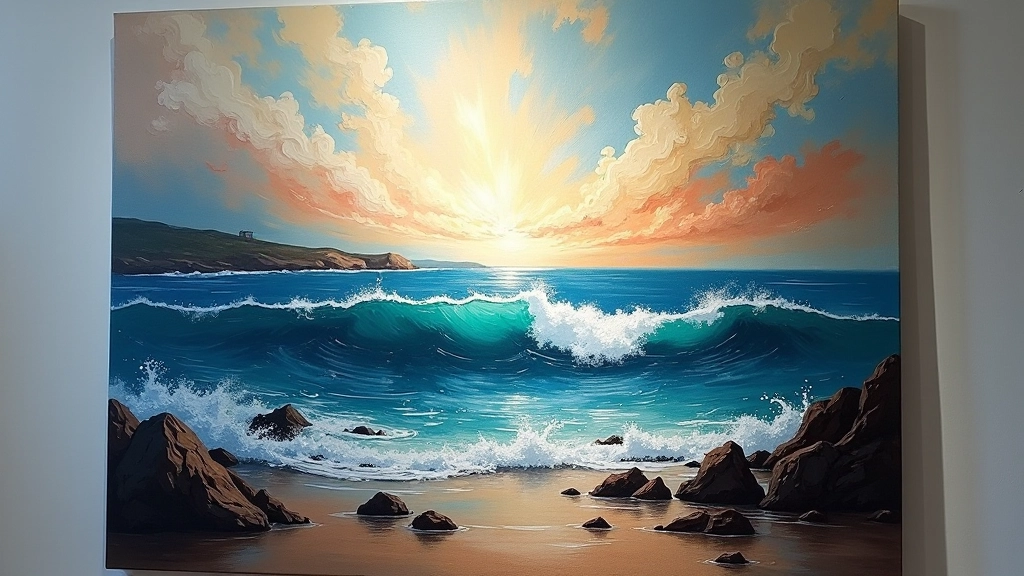
Abstract expressionism isn't about copying what you see. It's about translating feeling into paint. When I'm standing on the Portuguese coast watching waves crash against dark rocks, I'm not thinking about photorealism. I'm thinking about the violence of the water, the melancholy of the sky, the sudden burst of foam against stone. That's what ends up on canvas.
The Atlantic coast series emerged from wanting to move beyond traditional landscape representation. There's a fundamental difference between painting a seascape that looks like a photograph and one that makes you feel the spray, the cold, the isolation. That difference lives in loose brushwork, unexpected color choices, and layers that don't explain themselves immediately.
Building Emotional Depth Through Layers
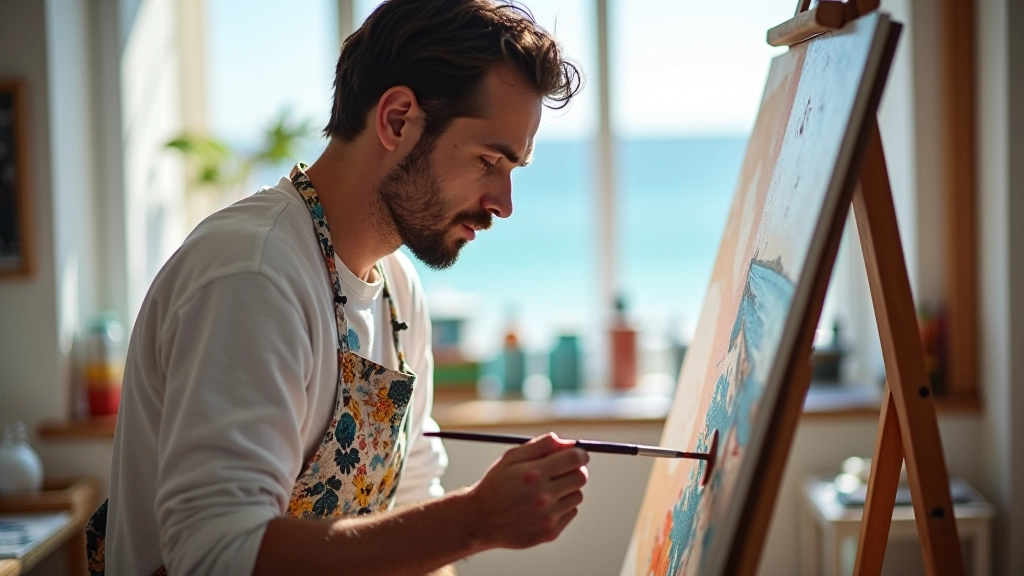
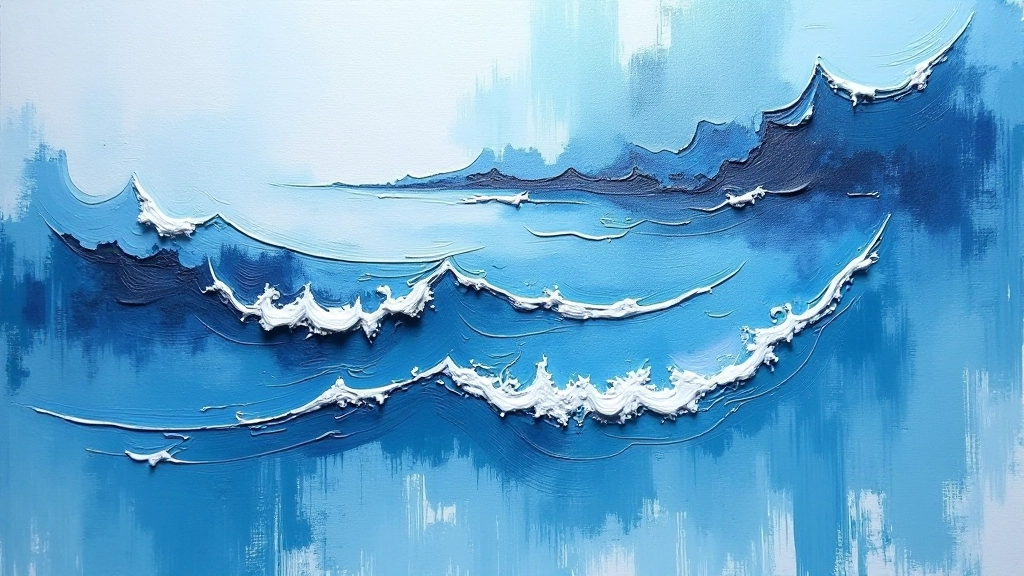
I'm not interested in quick gestures. Each piece develops over weeks, sometimes months. The first layer might be pure abstraction—slashing color across the canvas without any reference to landscape. Then I'll step back. That chaos becomes the foundation. I'll add gestural marks that suggest movement, the kind you see in water or wind. These marks don't represent anything specific. They're more honest that way.
The breakthrough came when I stopped asking "does this look like the ocean?" and started asking "does this feel like the ocean?" Once that shift happens, everything changes. You're free to use colors that don't exist in nature. You can have a stroke of pure magenta next to chartreuse because they work together emotionally, even if they'd never appear together in reality. That's the liberation of abstract expression.
I use heavy body oils almost exclusively. The viscosity matters. It gives you resistance, texture, a physical relationship with the canvas that thinner mediums can't match. When you're dragging a loaded brush across primed canvas, you feel the weight of the paint, the resistance of the surface. That physical engagement translates into authentic gesture.
Color as Emotional Language
Every color choice in the Atlantic series comes from a place of observation, but not literal observation. I'm watching how the light shifts from gold to grey in minutes. I'm noticing the greenish cast that appears on the water before a storm. But when I translate that to paint, I'm exaggerating, pushing, sometimes inverting the relationships entirely.
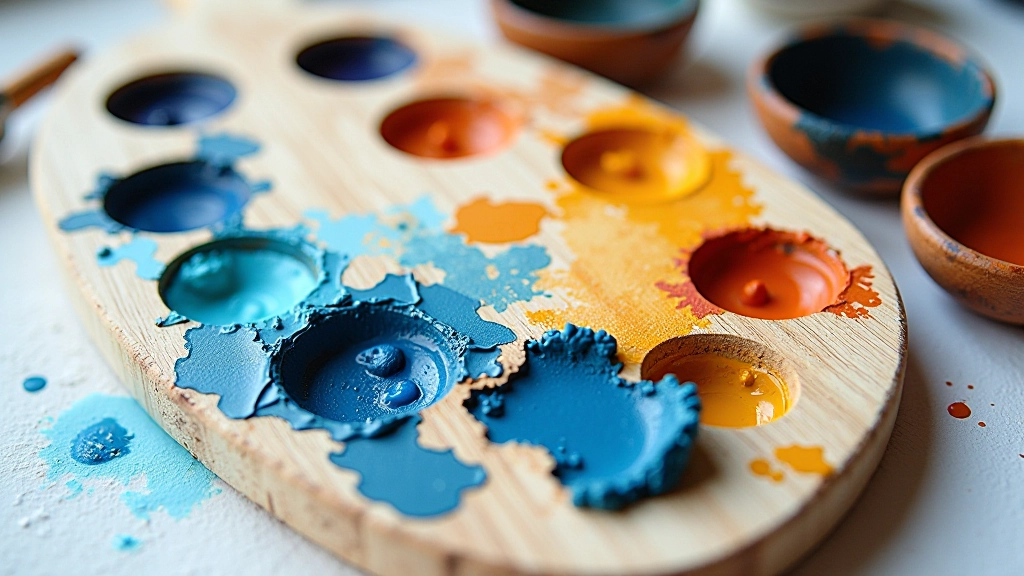
The most successful pieces use a limited palette intensely. I might restrict myself to three or four colors and let them do all the heavy lifting. Burnt sienna mixed with ultramarine creates a richness that no premixed brown could touch. Raw umber with cadmium yellow has a completely different energy than the same hues from a tube. You're not just choosing color—you're choosing how that color came to be.
Glazing & Transparency
Thin layers of diluted paint over solid forms create depth and suggest atmosphere. A transparent glaze of ultramarine over dried ochre shifts perception without covering the underlying layer completely.
Impasto & Texture
Heavy application with palette knife creates actual physical relief on the canvas. Light catches these peaks differently than flat areas, creating movement independent of the image itself.
Complementary Vibration
Placing complements directly adjacent—not mixed—creates visual tension. Blues against oranges vibrate. The eye doesn't blend them; it sees both simultaneously, creating energy.
The Creative Process: From Coast to Canvas
There's no formula. But there are phases. Understanding how the work develops helps explain why these pieces feel alive rather than constructed.
01
Observation & Immersion
I spend hours at different times of day, different weather conditions. Not sketching—just watching. I'm collecting sensations, not images. The quality of light at 4 PM versus 6 PM. How the ocean changes color in thirty seconds. The rhythm of waves. This becomes muscle memory.
02
Gestural Foundation
I begin with fast, loose marks. Sometimes charcoal, sometimes thin paint. The goal isn't representation—it's energy. I'm translating movement onto the surface without thinking about what it "should" look like. This stage lasts maybe 20-30 minutes. Speed matters. Overthinking kills authenticity.
03
Color Layering & Development
Over days and weeks, I add opacity. The first marks become suggestions underneath. New layers build on top, sometimes covering, sometimes integrating with what's below. Each session I'm asking: what does this want to become? Not what should it be—what wants to emerge from what's already here.
04
Refinement & Resolution
Knowing when to stop is harder than knowing what to do. I step back frequently. Usually it's done when the painting feels resolved—not finished, but balanced. There's enough chaos to feel alive, enough structure to feel intentional. That's the sweet spot.
Translating Landscape Into Feeling
What's the difference between a landscape painting and an abstract expressionist piece inspired by landscape? Directness. A traditional landscape wants you to see what the artist saw. An abstract expressionist piece wants you to feel what the artist felt. Those are fundamentally different objectives.
When someone stands in front of one of these paintings and says "I can feel the ocean," they're not responding to representational accuracy. They're responding to something more primal. The brushwork, the color relationships, the composition—they all communicate emotion before they communicate subject matter.
"The viewer shouldn't need to know it's a seascape to understand the emotion. The painting succeeds when it communicates its feeling independent of its subject."
— From the artist's studio notes
This approach works particularly well with landscape because landscape already carries emotional weight. Everyone has memories connected to water, sky, weather. By using abstraction, I'm not replacing those associations—I'm amplifying them. The viewer brings their own coastal memories to the work, and the painting amplifies what they're already feeling.
The Ongoing Exploration
Abstract expressionism applied to landscape isn't a destination. It's a direction. Each piece teaches something new about how color works, how gesture communicates, how much you can suggest with how little information. The Atlantic coast will always be changing, and so will the work.
If you're interested in commissioning a piece or learning more about the process, I'm always open to conversations about custom work. Every commission starts the same way—with observation, with immersion in what makes a place feel alive. That foundation, combined with the freedom of abstract expression, creates something that's both deeply personal and universally resonant.
Explore More
About This Article
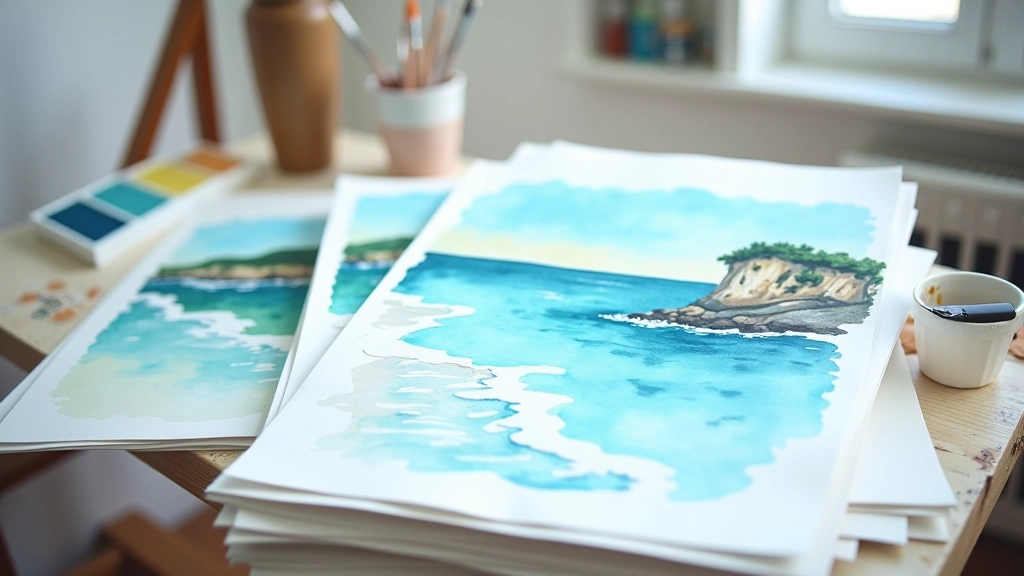
This article shares insights into abstract expressionist painting techniques and the creative process behind the Atlantic coast series. While the techniques and approaches described are based on years of studio practice, individual results will vary based on materials, experience, and artistic vision. The work described represents one artist's approach to translating landscape emotion through abstraction. For specific technical advice or guidance on your own artistic practice, consider working directly with an experienced instructor or mentor.