Commissioning Custom Seascape Paintings
A complete guide to working with an artist to create your personal seascape masterpiece
Why Commission a Seascape?
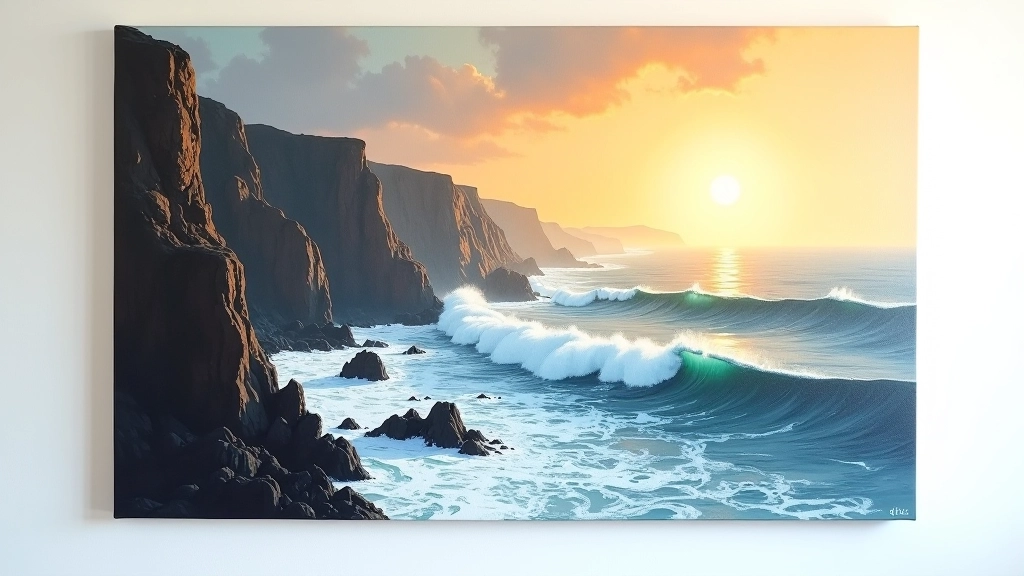
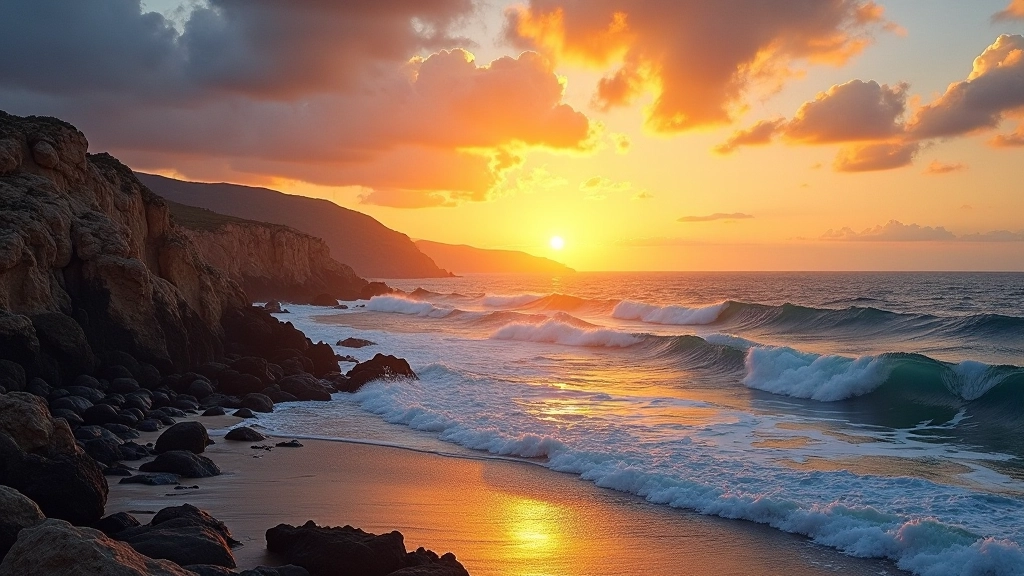
There's something about the ocean that pulls at people. It's not just the visual appeal — though that's certainly part of it. When you commission a custom seascape, you're capturing a moment, a memory, or a feeling that matters to you specifically. You're not buying what everyone else has. You're getting something that speaks directly to your space and your story.
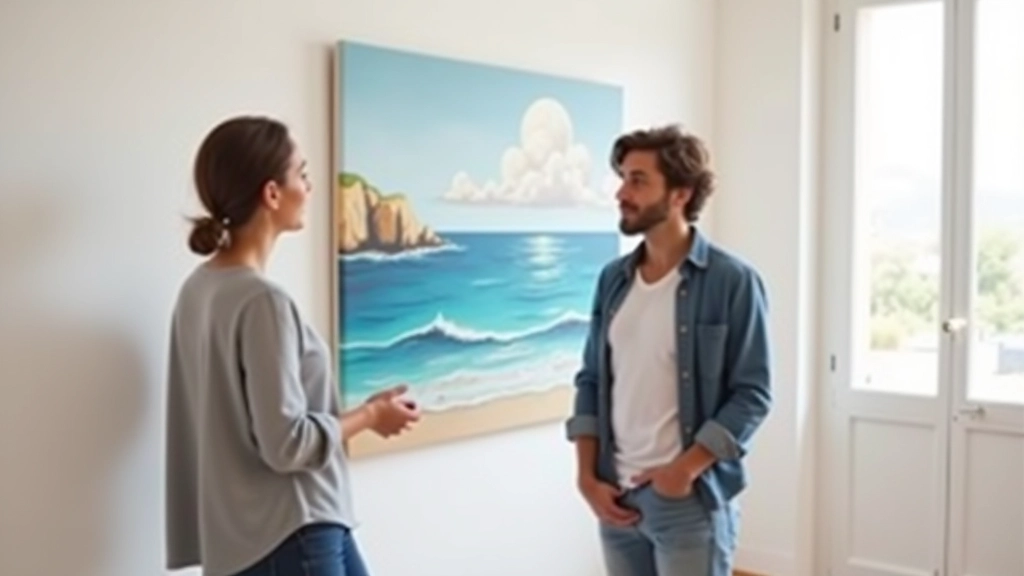
Working with an artist to create a seascape painting is a collaborative journey. It's different from buying off-the-shelf art. The process involves conversations about light, mood, color, and technique. You'll share references and ideas. The artist brings technical skill and artistic vision. What emerges is uniquely yours.
The Commission Process: From Concept to Canvas
Understanding the journey of creating a custom seascape painting
Initial Conversation
We start by talking about your vision. What draws you to seascapes? Do you want a specific location — maybe a beach you visited, or a stretch of Portuguese coast? Are you drawn to calm, contemplative waters or dramatic, turbulent waves? These conversations help me understand what you're actually looking for, not just what you think you should want.
Research & Reference Gathering
Once we've established direction, I'll research reference materials. You might share photographs, sketches, or mood boards. I'll study how light behaves on water at different times of day. Reference gathering isn't about copying — it's about understanding the atmosphere you want captured. This phase typically takes 1-2 weeks.
Sketches & Composition Approval
Before touching brush to canvas, I'll create preliminary sketches. You'll see 2-3 different composition options. This is your chance to provide feedback — move the horizon line, adjust the focal point, shift the lighting direction. Small changes here prevent larger issues later. Most clients find this phase exciting because they're starting to see their commission take shape.
Painting & Progress Updates
The actual painting begins. For oil paintings, this typically takes 4-8 weeks depending on size and complexity. I'll send progress photos at key stages — after the underpainting, after initial color blocking, and during final details. You're never wondering what's happening. If something doesn't feel right, we can adjust it before it's finished.
Final Review & Delivery
Once complete, you'll see the finished painting before delivery. This is the moment everything comes together. The painting gets properly varnished for protection, carefully packaged, and shipped to you. You'll have documentation of the piece including materials used and care instructions.
Techniques That Bring Water to Life
Creating a convincing seascape requires understanding how light interacts with water. The ocean isn't one color — it's layers of tone and reflection. Different painting techniques achieve different effects.
Glazing for Transparency
Thin layers of translucent paint built up over time create depth in water. Each glaze adds luminosity and makes the water feel like it's actually receding into the distance. It's a patient technique but worth it.
Impasto for Texture
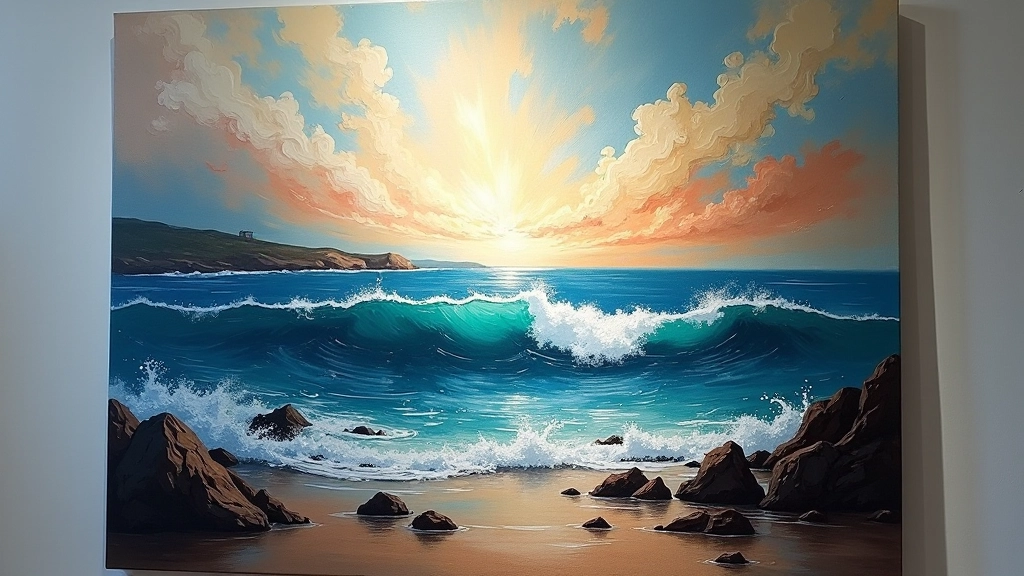
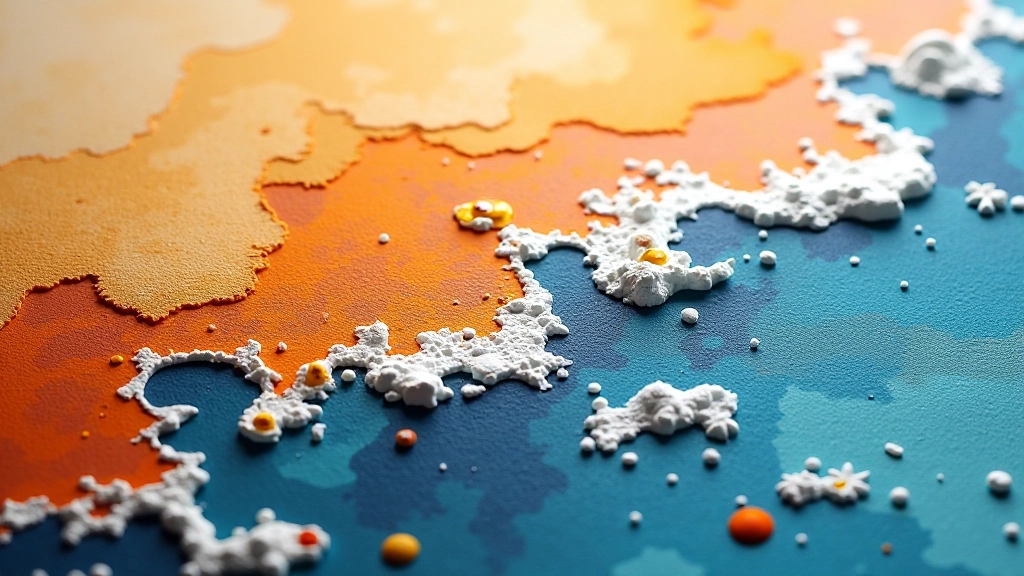
Thick, visible brushstrokes show movement and energy. Foam, waves, and spray benefit from impasto. You can actually see and feel the paint texture, which makes the painting more dynamic and engaging.
Wet-on-Wet Blending
Working with wet paint allows colors to blend naturally. Sunsets reflecting on water especially benefit from this approach — the colors merge without harsh lines, creating that soft, atmospheric feeling.
Scumbling for Atmosphere
Dragging lighter paint across darker underlayers creates atmospheric effects. Mist, fog, and hazy light all respond well to scumbling. It's how you make paintings feel like they breathe.
Decisions That Shape Your Painting
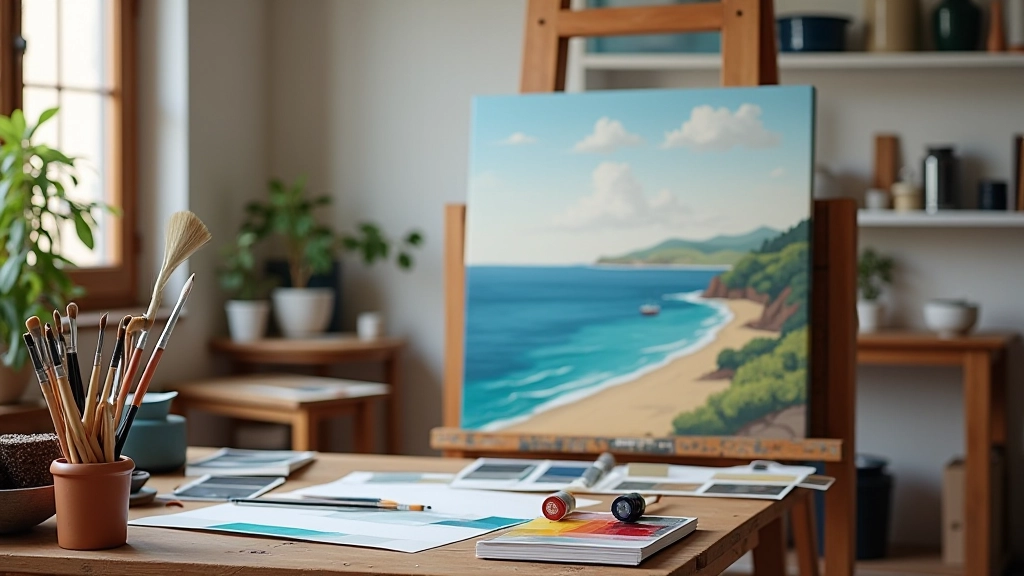
Several key choices affect how your seascape turns out. You'll make these decisions early, and they guide the entire process.
Size & Format
Larger paintings create more impact and allow for finer detail work. A 24x36 inch canvas feels completely different from a 12x16 inch piece. Aspect ratio matters too — a wide horizontal format captures expansive horizons, while vertical formats emphasize sky or foreground drama.
Medium Selection
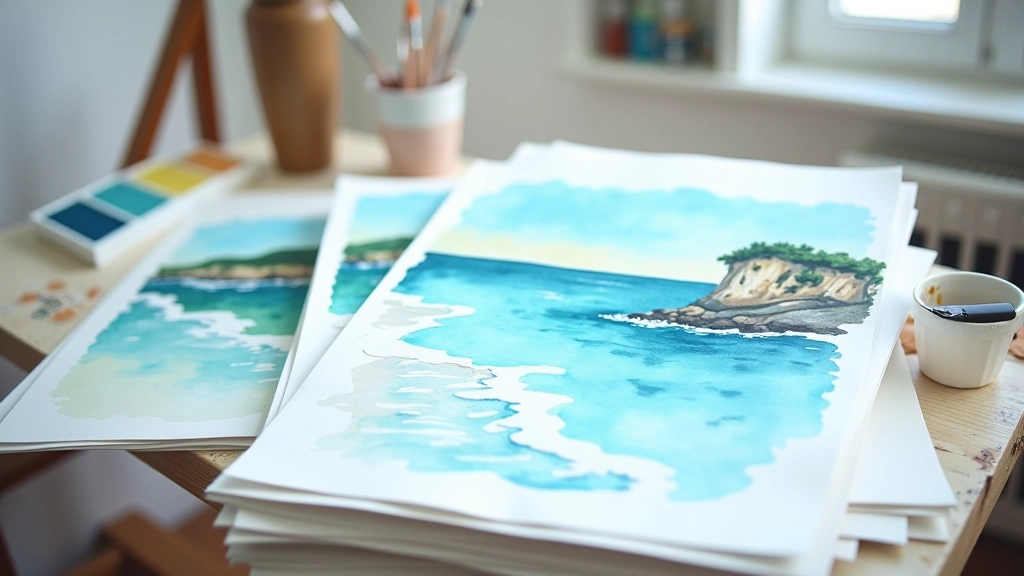
Oil paint offers richness and slow drying time for blending. Acrylics dry fast and are easier to layer quickly. Watercolor brings spontaneity and luminosity but requires different handling. Each medium creates distinct visual effects.
Color Palette
Will your painting lean toward cool blues and greens, or warm golds and oranges? Neutral grays create calm, while saturated colors feel more energetic. The palette you choose determines the emotional tone of the finished piece.
Level of Abstraction
Do you want photorealistic detail, or something more interpretive? Abstract expressionist seascapes focus on feeling over accuracy. Semi-abstract approaches balance both. This choice affects how much recognizable detail appears versus pure color and gesture.
Setting Realistic Expectations
What you should know before starting your commission
Timeline Matters
A quality seascape doesn't happen overnight. Oil paintings typically take 6-12 weeks from start to finish. This includes all the phases — sketches, reference gathering, painting, and curing time. Rushing compromises the result. If you have a specific deadline, we'll plan accordingly, but understand that speed and quality sometimes trade off.
Reference Photos Aren't Replicas
A painting isn't a photograph. The artist's interpretation is part of the value. If you show a reference photo, I'm using it for inspiration and understanding mood — not creating a direct copy. The final painting will have artistic choices that make it unique, including color adjustments and compositional tweaks.
Communication is Key
The better you communicate what you want, the better the result. Don't be vague about preferences. Share what you love about seascapes. Tell me about the space where the painting will hang. Describe the mood you're after. Specific feedback during the process helps me deliver exactly what you're envisioning.
Investment Value
Custom paintings represent a genuine investment. You're paying for skill, materials, time, and artistic vision. The result is a one-of-a-kind piece that has real value. Unlike prints or mass-produced art, a commissioned painting only exists in one place — your home.
Ready to Commission Your Seascape?
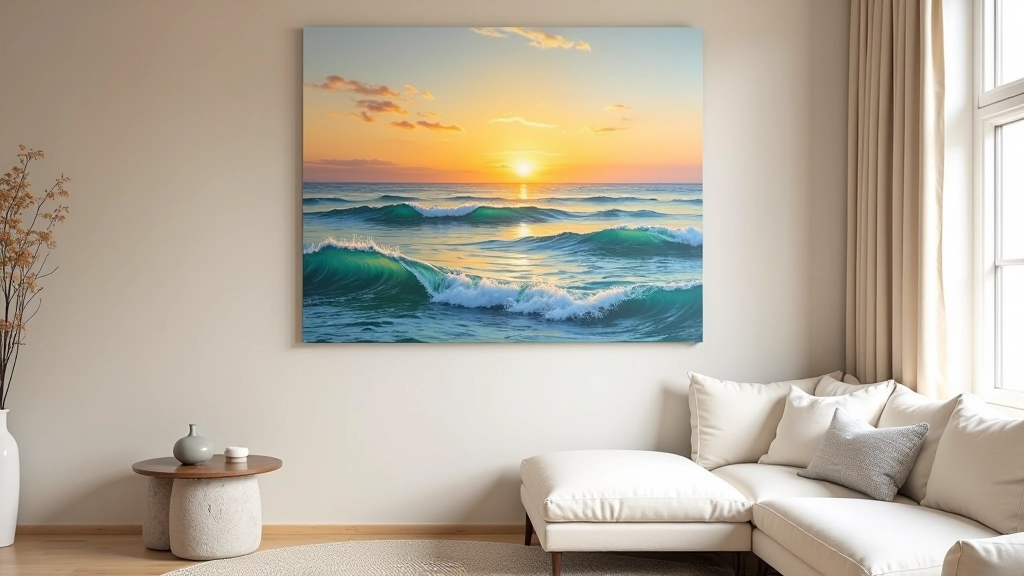
The first step is simple — reach out and let's talk about your vision. You don't need to have everything figured out. You don't need perfect reference photos or a detailed description. You just need to know that you want something beautiful on your wall, something that resonates with you every time you look at it.
Whether you're drawn to the dramatic Atlantic coastline, serene water scenes, or abstract interpretations of the sea, we'll work together to bring that vision to life. The commission process is collaborative, transparent, and designed around what matters to you. That's how we create paintings that clients genuinely treasure.
About This Guide
This article provides educational information about the commission process for custom seascape paintings based on common artistic practices. Every artist and client relationship is unique, and processes may vary. The timeline, techniques, and approaches described here represent general professional standards but aren't prescriptive. Always discuss specific details, timelines, and expectations directly with your chosen artist. This content is informational and meant to help you understand what's involved in commissioning custom artwork.
Explore More About Seascape Art